
How to Handle Mature Lawn Weeds in Summer & Fall (Without Harming Your Lawn)
You might think that the cooler fall months in Tupelo, Oxford, and New Albany, MS, mark the end of weed growth in your lawn.
However, weeds are persistent and never truly rest.
It can be disappointing to notice an increase in weeds—mainly since annual bluegrass germinates in fall and can be an eyesore throughout winter. Other weeds like lespedeza and spurge also pose challenges.
Although fall isn’t typically when you focus on lawn care, it’s actually a prime time to evaluate your lawn management, identify issues, and make adjustments to control weeds. What you do now significantly impacts your lawn’s health in spring.
Ignoring weeds during dormancy allows them to grow stronger and pose a bigger problem when the growing season resumes.
Let’s explore lawn care strategies for Tupelo, Oxford, and New Albany, MS, including effective weed management to ensure your lawn looks great year-round.
The Most Common Lawn Weeds in North Mississippi
Understanding the best time to fight common lawn weeds in North Mississippi means knowing which weeds you’re dealing with and the approach needed to battle them. This involves proper identification.
While you may think all weeds are the same, the truth is that there are wide different varieties—and they can have different features and control methods that work best to tackle them.
Some weeds are annual, meaning they last only one year and must be reintroduced the next year to appear in your lawn, or they are perennial, meaning they naturally come back year after year until you stop them. Different weeds germinate at different times of the year. Some weed control strategies work only on one weed, while others can be applied to multiple weed types.
Sound confusing? We get it.

Here are some of the most common lawn weeds that strike in late summer and fall in this area. They may make you feel like you’re losing at lawn care, but there are ways to fight them and keep your lawn happy, too.
Annual Bluegrass
Poa annua, or annual bluegrass, can spread easily and infest lawns and landscapes. With a lighter, brighter green color, a softer texture, and blades that curl toward their centers, these weeds can make your lawn look rather patchy.
In Memphis and North Mississippi, this clumping weed quickly looks out of place during the winter. Unfortunately, it grows fast, so by the time you notice it, this common lawn weed can develop into a pretty big patch.
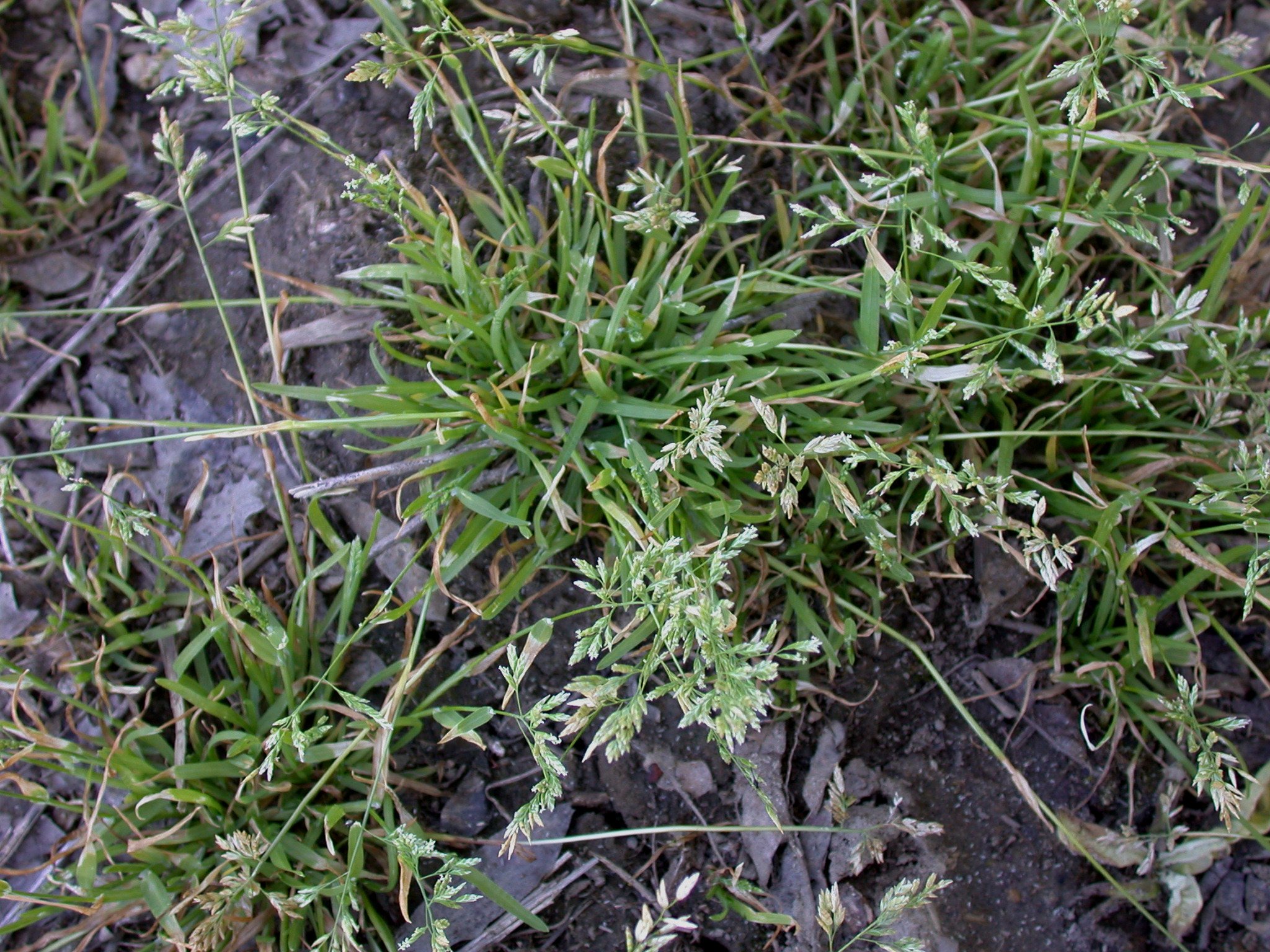
A prolific seed producer, annual bluegrass can germinate year-round, with most germination occurring between September and November.
A preemergent herbicide application in the late summer/early fall can target this weed right before it’s too late and reaches maximum germination.
Lespedeza
Lespedeza, or Japanese clover, features three smooth, oblong leaves like those of typical clover, accompanied by small pink to purple flowers. As it matures, its stems toughen and become more resilient, challenging your North Mississippi lawn.
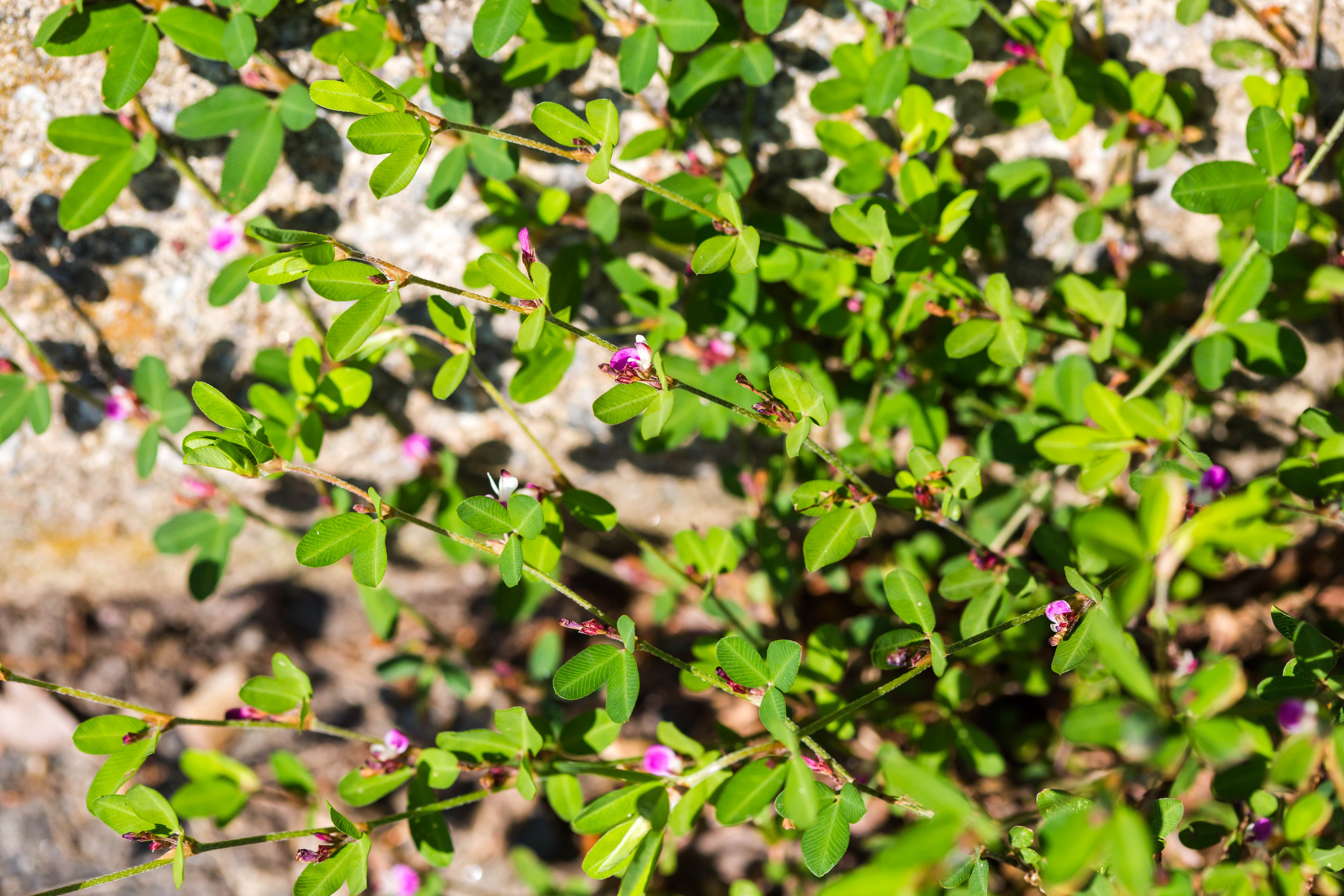
Applying preemergent herbicides in spring can stop this common lawn weed from appearing later in summer. If it does appear later, post-emergent treatments can help control it.
Spurge
Spurge is a common lawn weed that thrives in hot weather. It tends to grow in weak lawn spots, featuring hairy red stems, tiny dark green leaves with red spots, and stems that secrete a thick, milky sap.
Sadly, spurge can produce thousands of seeds that remain dormant until temperatures rise enough for them to sprout. Once it begins growing, it can spread into a dense mat of weeds up to 3 feet wide.
%20-%20prostrate%20lawn%20spurge%20CC.jpg?width=2710&height=1814&name=Euphorbia%20maculata%20(Chamaesyce%20maculata)%20-%20prostrate%20lawn%20spurge%20CC.jpg)
Regular fertilization, especially in the fall, can help minimize late summer lawn weeds, along with maintaining a well-watered, stress-free lawn. Additionally, spot spraying weeds after they appear is an effective removal method.
Dallisgrass
Dallisgrass is a widespread lawn weed in Tupelo, Oxford, and New Albany, MS, and is recognized as a perennial that regrows each year.
It features a coarse texture and a gray-green hue. Additionally, Dallisgrass has a fibrous root system, enabling it to spread quickly.
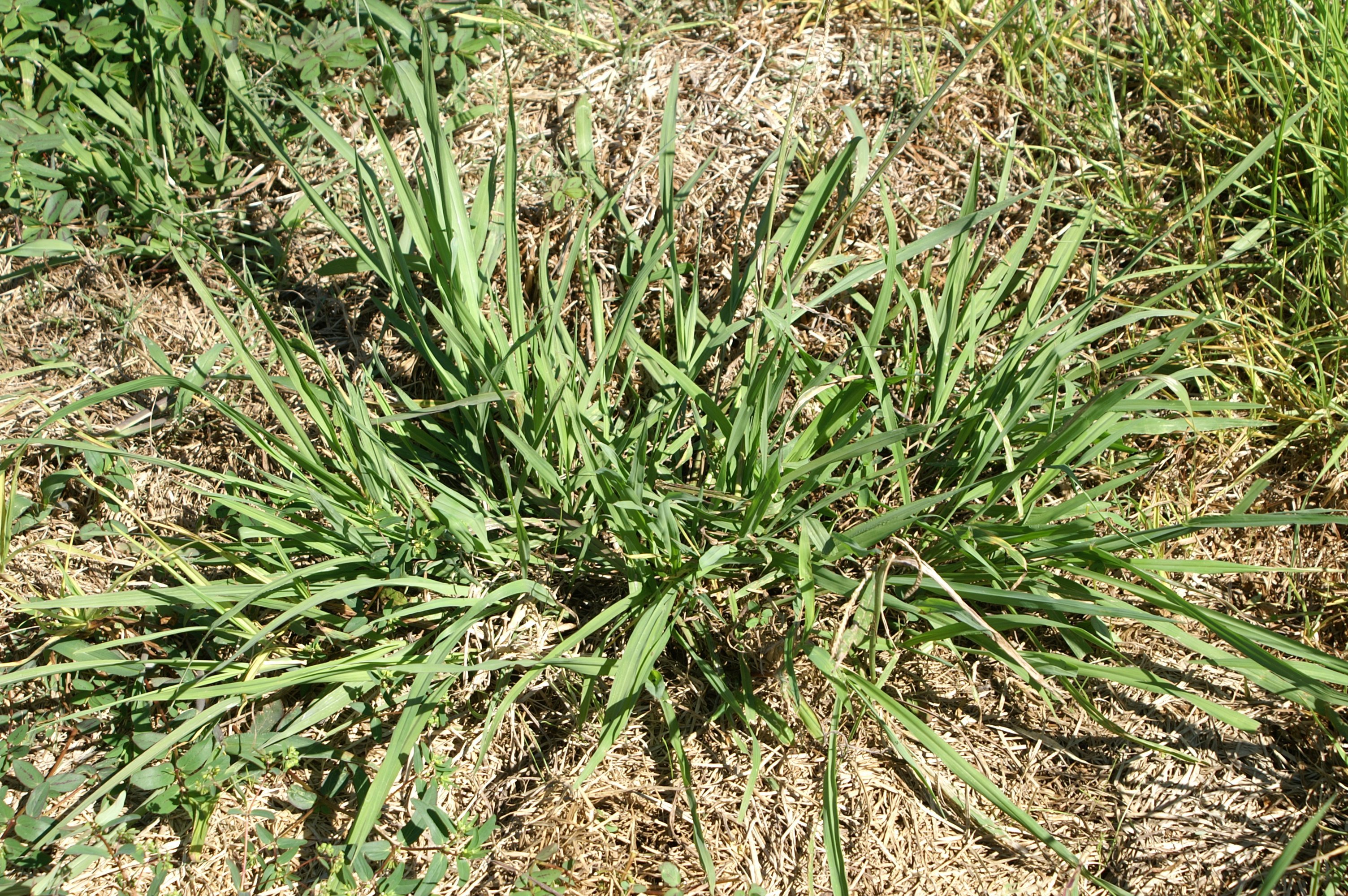
Applying pre-emergent herbicides at the correct time and rate is essential for effective dallisgrass control. Additionally, using post-emergent treatments and maintaining proper lawn care help keep your lawn dense and healthy.
Nutgrass
Nutgrass is among the most problematic lawn weeds because it grows more quickly than your regular grass, allowing it to stand taller. After mowing, you might notice it protruding above the rest of your grass.
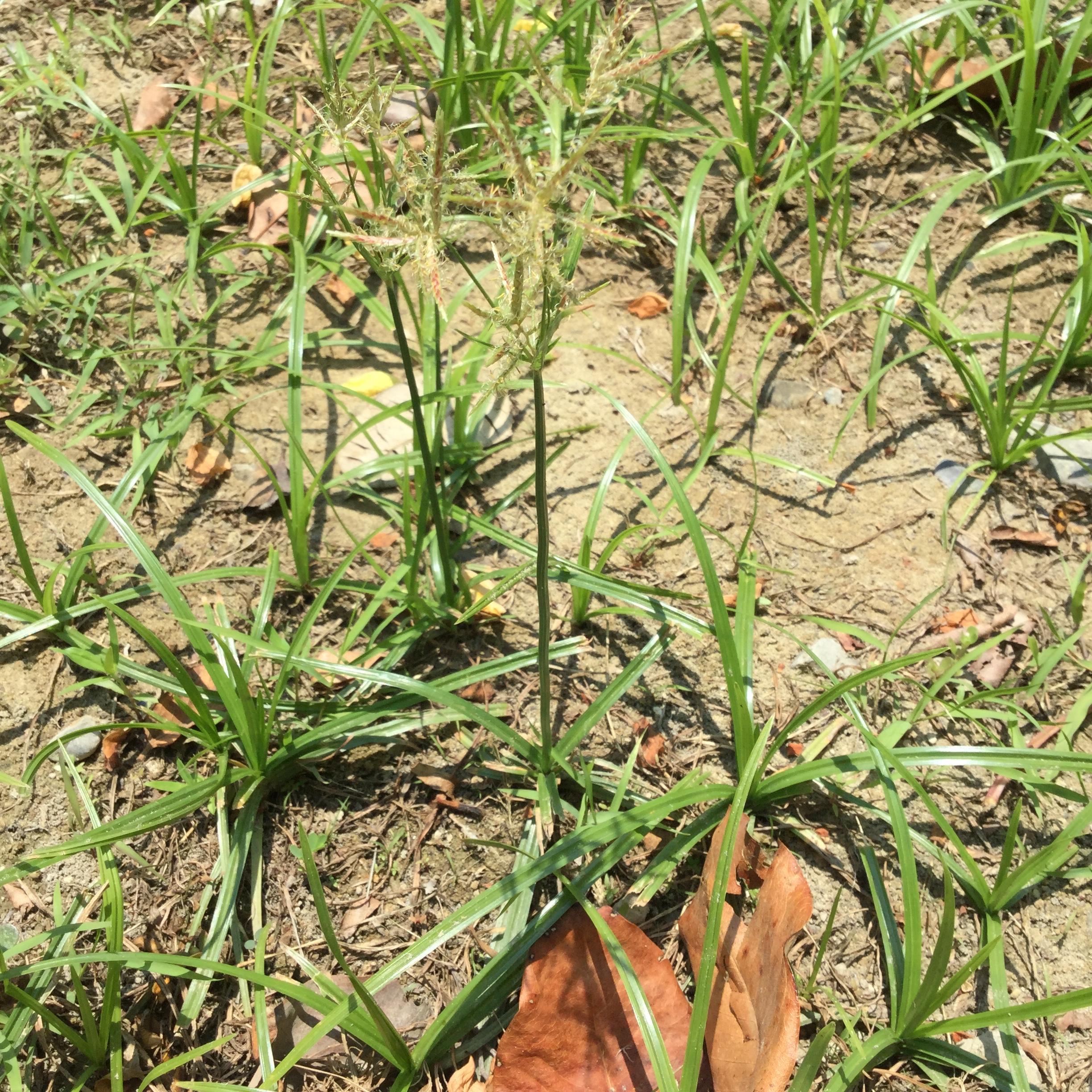
Nutsedge will return each year if you don’t control it. Managing this one involves multiple herbicide application strategies and quality lawn care.
Buttonweed
Weeds with small, white flowers in your lawn are called buttonweed. This invasive lawn weed grows quickly because it has deep roots and spreads through underground stems. If not controlled, it can quickly take over your lawn.
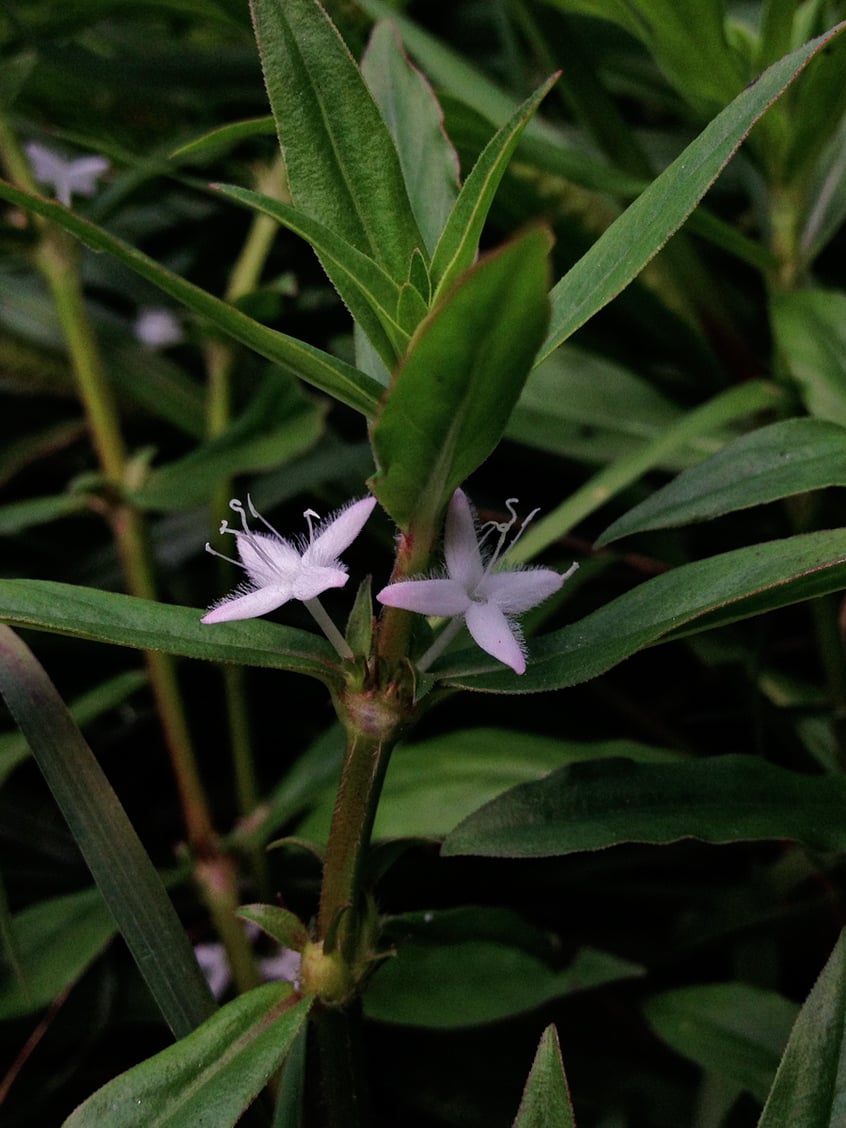
For control, a pre-emergent herbicide application at the correct time and rate can work.
Lawn Weed Control Strategies
Weeds tend to invade your lawn when it’s most vulnerable, especially after a hot, dry summer. The best way to prevent this is by maintaining a dense, healthy lawn. So, how can you keep your lawn resilient against fall weeds? Through consistent and proper care.
This includes:
- mowing properly to reduce stress
- providing the proper nutrient balance through fertilization
- delivering longer
- infrequent irrigation
- aerating annually to limit compaction.
Your ultimate goal is to create the best environment for your lawn so it can remain thick and healthy, giving common lawn weeds less of a chance to germinate.
Even with proper care, some weeds may still find a way, especially if weather conditions are ripe for weed germination. That’s when proper herbicide controls can help.
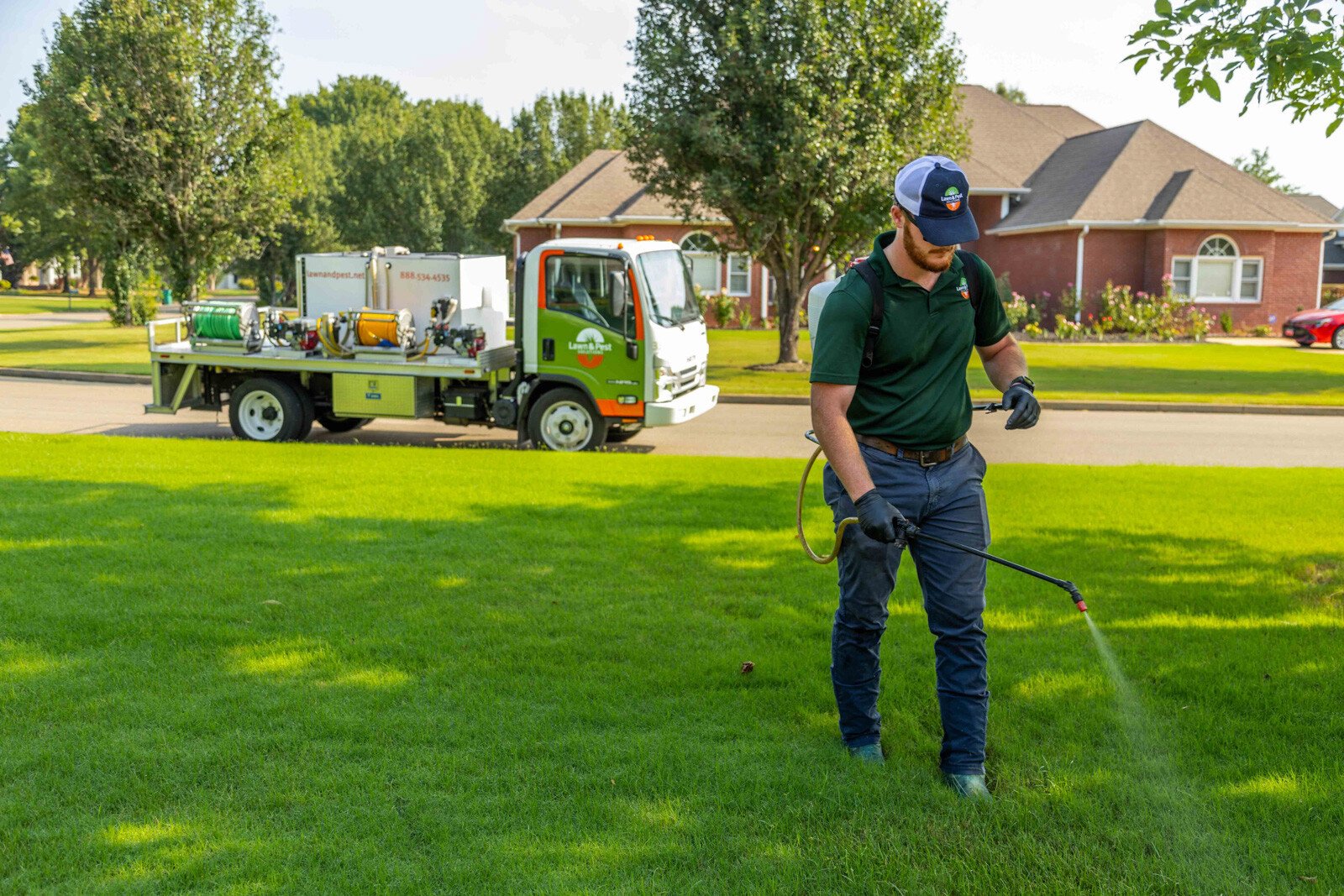
Trust a professional for proper weed identification and precise herbicide timing to ensure maximum, targeted control.
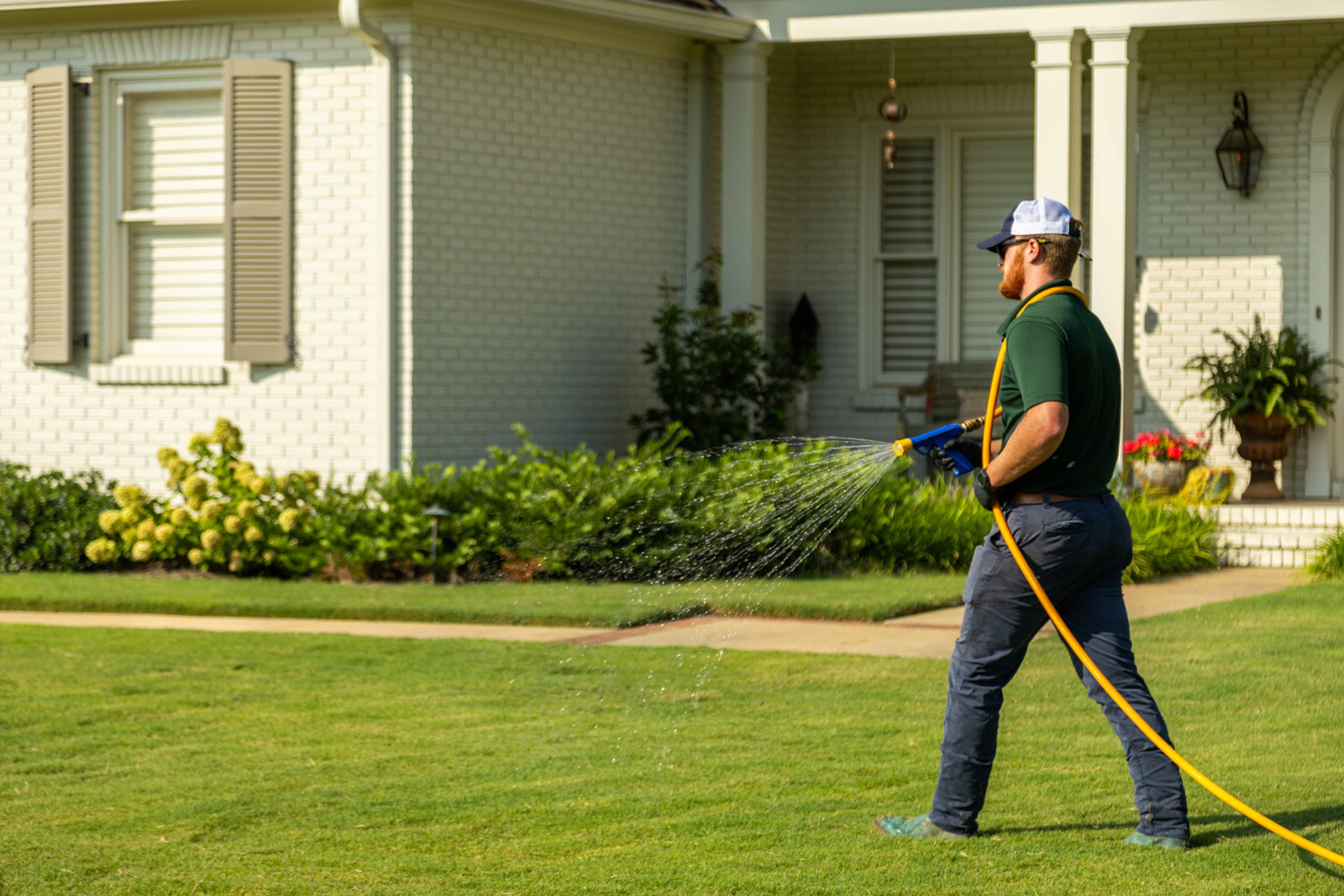
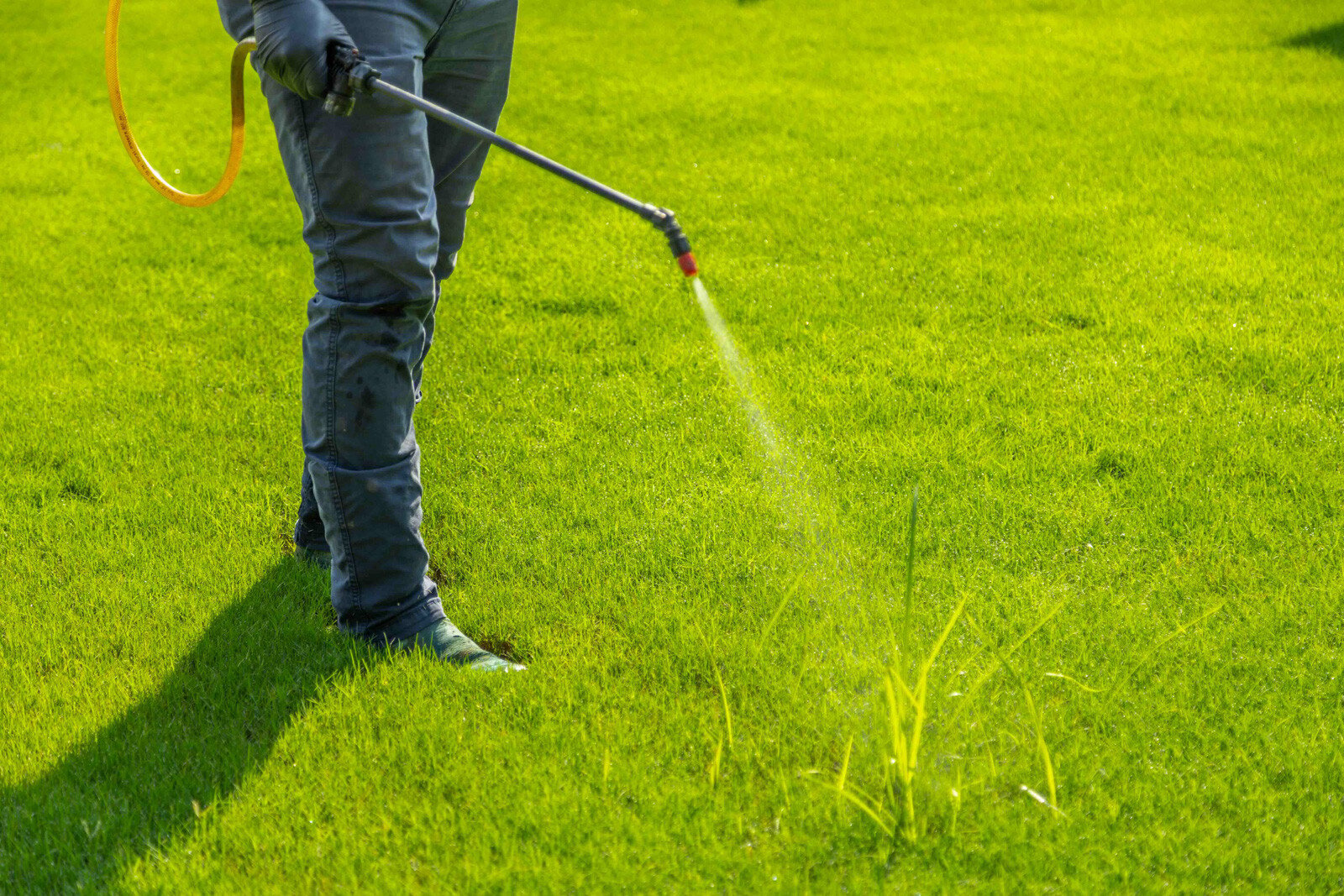
Lawn care professionals will use specialty herbicides delivered with commercial-grade nozzles to reduce particle size and improve adhesion to tough weeds.
Lawn & Pest Solutions Can Help You With the Worst Lawn Weeds in Tupelo, Oxford & New Albany, MS
Weeds tend to invade lawns when weather and conditions favor them. Once they establish, they seem impossible to remove.
To prevent weeds from taking over, avoid using the wrong herbicides, overapplication, or poor timing. If you notice many weeds, remember you're not alone in battling them. Lawn & Pest Solutions offers a comprehensive, proactive lawn care plan with everything necessary to maintain a healthy, resilient lawn.
When you have a professional eye on your property who can recognize these common lawn weeds on first inspection, you can keep weeds in check before they get out of hand and maintain that lush, green, weed-free lawn you desire.
Ready to learn why Lawn & Pest Solutions could be your choice for lawn care services in Tupelo, Oxford & New Albany, MS? We’re excited to learn more about you and help you have the best lawn on the block. Get started today with a free quote. Together, we can prepare a customized plan tailored to you and your lawn.
Image Sources | Buttonweed, Dallisgrass, Nutsedge, Annual Bluegrass, Spurge, Lespedeza
Ready to Tackle Lawn Weeds the Right Way?
